
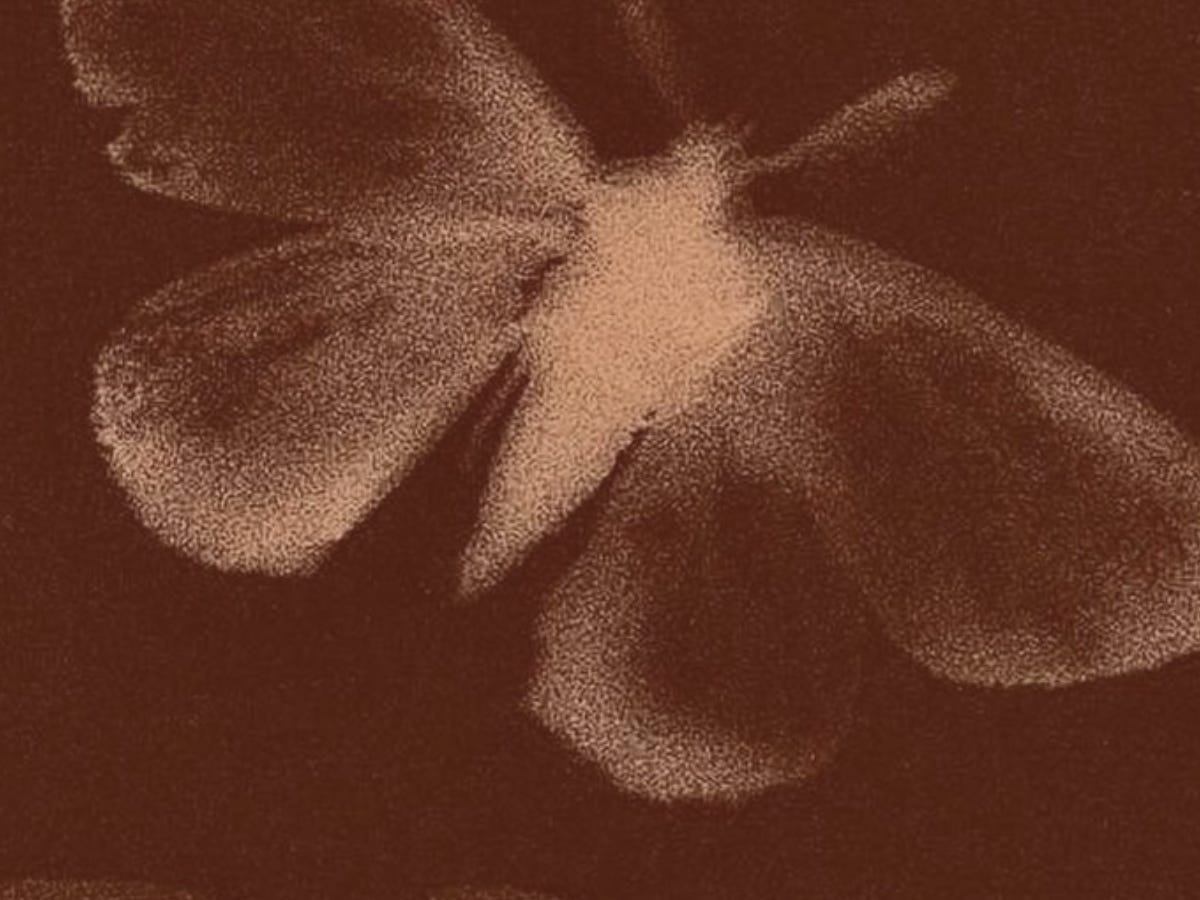
the theme for my clients and unsurprisingly myself is the …the icky, sticky place between who you were and who you’re becoming. people call it the in-between, the chrysalis, liminal space. it looks like confusion and boredom… sometimes a physical dull ache. it smells of too many small decisions.
it’s where you can’t go back and you can’t yet move forward in the way you’d imagined. and if you’ve found your way here, know this: that awkward, slow, uncategorised time matters more than the clean moments when everything aligns. this is the space that requires you to be still and patient, this might be the very thing that makes you want squirm so bad.
the vibe for this piece……..
the in-between is anything but dramatic. it doesn’t deliver the neat next steps. it doesn’t hand you a post it note of learnings you can tick off. it actually feels like being stuck on the stairs between floors, with a version of you downstairs and a slightly new version of you upstairs, you’re in the middle suspended..hanging out there.
for many people i work with, it arrives after a breakup, a career change, a move, a ‘is this it’? moment, or simply a long season of doing what everyone else expected. it feels icky because our nervous systems prefer pattern and predictability, even if those patterns were painful. the body favours familiarity.
the nervous system’s job is safety, not happiness. and sometimes safety looks like repeating the same ache because at least you’ve rehearsed how to survive it. that’s a somatic truth we can’t skirt around.
Your nervous system + brain do not care about your expansion….but your consciousness and soul does.
the most common thing i hear clients say ‘how do i get through this quick and find direction again?’ the passage phase often has zero direction or fast momentum.
calling it a chrysalis feels romantic…but it’s the closest way to describe the phase you’re in. a phase that collects heat and pressure slowly and, over time makes room for something different. but the biology of it is slow and often invisible and it asks for patience. it asks you to live in uncertainty long enough for your internal architecture to shift.
clinical language calls this the window of tolerance; spiritualists may call it the waiting room; i call it the place where your nervous system and your consciousness start to learn each other.
change here is incremental. it’s in the micro-choices - the moment you breathe instead of text, the time you choose to sit with boredom rather than fill it with scrolling, the tiny boundary you enforce that says you won’t be rearranged today. it’s catching yourself before you try and escape the feeling.
the discipline is choosing the small steady thing over the dramatic dopamine fix. consistency rewires far better than intensity.
the liminal frame has been written about for decades. anthropologists used the word liminality to name rites and transitions where structure dissolves and new identity forms. that description fits modern life. these days you don’t always have a ritual to mark change, so the liminal phase arrives unannounced and you have to invent the ritual as you go.
that’s the task. to hold a space for yourself. to build scaffolding from small acts rather than waiting for a single seismic event to fix everything and show you the light.
Something i’ve been testing for the past year….creating my own scaffolding so i feel tethered in someway…rather than floating off into the ether of uncertainty.
i see a pattern in my younger clients… people in their twenties who are both more emotionally literate than previous generations and simultaneously more exposed to curated lives on screens. they feel their own growth and also the pressure of having the perfect life even the perfect ‘healing’ journey.
the result is a doubled tension: many of them show up with language, practice, curiosity and a hunger to be truthful, yet they’re navigating a social environment that constantly measures them against other people’s lives through constant bombardment from screens.
developmental psychologists call this phase emerging adulthood: a messy, experimental, identity-forming time when choices accumulate and the self starts to take shape in sharper relief. that context matters for how the in-between feels right now.
the practical truth i teach clients is simple and not boxed up pretty: the work in the chrysalis is not thinking harder about who you should be. it’s learning to be inside the not-knowing without losing the ground beneath you. being tethered to the boredom is the practice. nervous system practice.
the polyvagal framework helps here because it explains the physiology of social safety and regulation.. how body state guides perception, how breath and posture shift access to curiosity, connection and capacity.
the work I give is often somatic before it’s intellectual: breathing practices, small boundary experiments, micro-commitments to comfort that rewrite the body’s map of what is safe. you can argue about whether it’s therapy, ritual, philosophy or discipline. what matters is the repeated action that remaps the habit into something you can live inside. building the muscle of self- trust and self- commitment.
the thing most people struggle with in this space is temptation…mostly performance. the chrysalis can easily be turned into ‘this is the time i must do more’. people feel stalled and respond by doing more, accelerated inner work, showing up more, reading more, seeking more clarity in short bursts.
that productivity move rarely changes the underlying state. it only creates the illusion of motion. what actually shifts the internal weather system is less glam.. it’s the slower work, simpler patterns, fiercer compassion and acceptance with yourself.
the discipline is to choose the small steady thing over the dramatic dopamine fix. to trust that consistency rewires far better than scrappy intensity. the work is paced and quite frankly bland.
so how does someone move through it in a way that changes their life? start with three practical orientations i give clients
safety scaffolding
create predictable anchors the nervous system recognises. that might be a morning sequence that always happens the same way, a nightly 20-minute wind-down that trains the body to descend, a short movement practice that tells your physiology you are still here and still safe. the anchor is not about choosing the perfect thing. it’s about repeated signals to the body that say you are available to yourself + able to be present.
curiosity not conclusion
practice noticing sensations before you narrate them. the reflex in the in-between is to make meaning fast, to stitch stories that feel tidy. instead shift to micro-curiosity: what is the temperature in my chest right now? where is my attention? can i stay with the discomfort for five more breaths? those minutes build tolerance. those minutes build wisdom and perspective.
tiny experiments
test small choices that expand your repertoire. approach the difficult conversations. say yes to one thing that feels mildly scary and note what happens. practice returning. the goal is to show yourself you can leave the pattern and return safely. repetition of tolerable risk increases capacity.
people ask me whether the chrysalis ever ends. yes, and also not in the way you hope. endings are messy. you don’t always get a defining moment; you sometimes get a smidge of hope and an unexpected appetite for different experiences and ways of being.
you surface with a new rhythm rather than a new sparkly identity. the work continues because growth remakes your edges; new months will test the new you and ask for more recalibration. that’s the loop and it’s necessary and evolutionary. again and again you return to yourself.
i want to name a few social dynamics that make the chrysalis harder right now. we live with curated connectivity. small experiments become a show. private re-mapping becomes public. the algorithms push immediacy and judgement.
if your environment rewards speed and spectacle, your interior will feel faint and impatient in response. if you stay in that system and feel it around you…design your scaffolding and anchors around it.
if you’re in this space..a reminder that this work asks for tenderness and accountability. you need a practice that holds both. tenderness means being allowed to not move quickly, and accountability means setting constraints so you don’t confuse stasis with safety.
coaching gives a structure for both. routines and rituals give permission. your nervous system learns from repeat experience and from witnessing. it needs steady signals that new patterns are allowed, welcomed and that you can survive them….to later even thrive in those systems.
some final thoughts that but are useful. the chrysalis wants time. patience is a practical tool you should learn to use.
change rarely arrives as a revelation. it arrives as a reconfiguration of the small things you do each day. identity is cumulative. self-trust is the residue of a thousand small returns. choosing the in-between is harder in public, and easier when you have a private set of practices that can be done in your own privacy.
if you’re in it now, be kind to the unglamorous work….the small visible acts of self-possession. they are the scaffolding that will carry you through.
stay with one honest question for a week and test one small boundary. notice what your body says. keep repeating it until the nervous system learns new accents.
the chrysalis is slow. it’s also the most faithful kind of change you will find.
read this again three months from now. see what is different. you’ll be surprised how much the small steady choices accumulate when you stop waiting for the big, obvious life bomb.
references and reading (for the curious)
polyvagal theory and nervous system framing - Stephen W. Porges, The Polyvagal Theory
liminality and rites of passage - Victor Turner, The Ritual Process
emerging adulthood and identity formation - Jeffrey Jensen Arnett, Emerging Adulthood